
News
Radiographers Reject Proposed Health Bill, Seeks Immediate Deletion

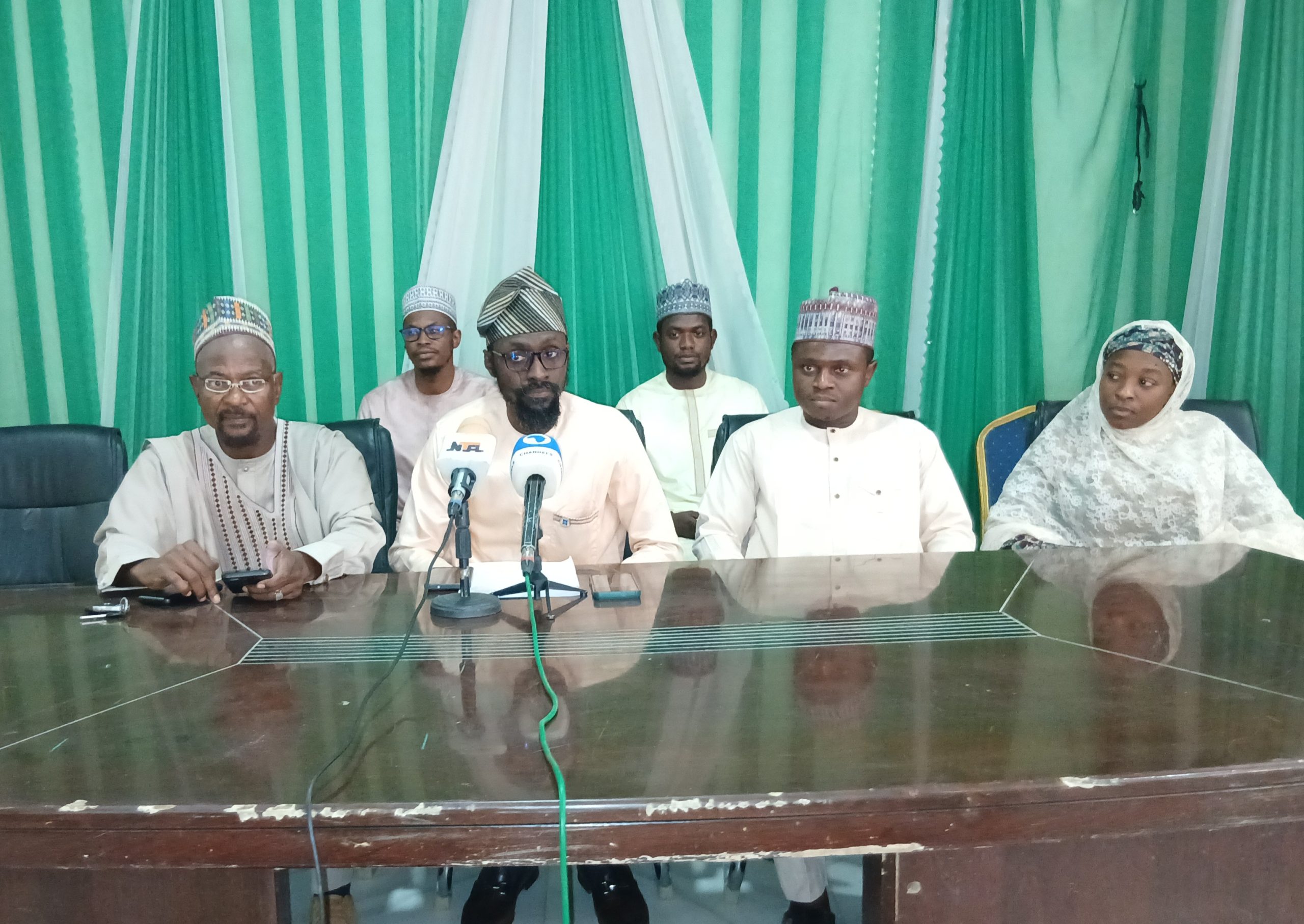
The Association of Radiographers of Nigeria (ARN) has opened up over what it described as a deliberate attempt to erase radiography, subjugate professionals, and monopolise Diagnostic and Therapeutic Healthcare.
Speaking Saturday in Kano, during a press briefing held at the press centre, the National President of the Association, Dr. Musa Yusuf Dambele opposed the proposed Dental Practitioners Act (Repeal and Re-enactment) Bill, 2026 (HB 2695).
According to him “The Bill seeks to legally erase Radiography as an independent profession, and subjugate Radiographers to the disciplinary authority of a Council composed of individuals with no expertise in Radiographic science.”
Read Also: Respect For Human Rights Enhances Legitimacy, Strengthens Civil-Military Relations – NA
Addressing journalists, Dambele described the bill as a “calculated and existential threat” to radiography practice in Nigeria, alleging that it is designed to transfer regulatory authority from the Radiographers Registration Board of Nigeria to the Medical and Dental Council of Nigeria.
He went on expressing concerns over Jurisdictional Control, highlighting Section 8(1) of the proposed bill, which contains a “notwithstanding clause” granting the MDCN overriding authority over other regulatory bodies.
According to Dambele, the provision directly conflicts with the Radiographers (Registration, etc.) Act, Cap R1, LFN 2004, effectively stripping the RRBN of its statutory mandate.
“The clause is designed to create jurisdictional supremacy and dismantle the existing regulatory structure governing radiography in Nigeria,” he stated.
Read Also: El-Rufai Media Team Petitions National, Global Bodies Over Alleged State-Sponsored Intimidation
He warned that the provision could lead to the “legal erasure” of radiography as an independent profession and place practitioners under the control of a council lacking relevant expertise in the field.
Dambele also raised concerns over Section 8(1)(k), which empowers the MDCN to regulate the use of ultrasound, laser systems, and radiofrequency-based devices. He maintained that these technologies are core components of radiographic practice and are not exclusive to any single profession.
He cautioned that restricting access to such tools could create workforce shortages, limit specialized services, and reduce patient’s access to essential diagnostic and therapeutic procedures in the country.
The ARN President further alleged that the proposed legislation, alongside HB 2699, represents a coordinated attempt to weaken radiography through what he described as a “pincer movement.
Dambele expressed concern over provisions that expand the powers of the Minister of Health to influence the composition and leadership of regulatory boards, warning that such measures could politicise professional regulation.
Read Also: RTEAN President Recognizes Danhajiya As Duly Kano Elected Chair
Among other things, he opposed the inclusion of loosely defined “community interest” representatives in regulatory boards, arguing that healthcare regulation should remain technical, evidence-based, and competence-driven.
Citing global best practices, Dambele noted that in countries such as the United Kingdom, Canada, and Australia, healthcare professions are regulated independently to ensure accountability and professional competence.
He warned that adopting contrary measures in Nigeria could set a dangerous precedent, trigger inter-professional conflicts, and weaken healthcare delivery systems.
He added that the ARN, aligns with other health sector stakeholders, including the Joint Health Sector Unions, as well as professional bodies in medical laboratory science and physiotherapy, in opposing the bill.
Demands and Recommendations:
Dambele said the association is calling on the National Assembly on its demands to reject the entire Bill, preserve professional self-regulation, remove the provisions enabling external control, and to retain the statutory powers of the RRBN by forming its governing board.
The ARN President emphasized the key role plays critically, by the radiographers in delivering diagnostic and therapeutic services, including X-rays, ultrasound, CT scans, MRI, radiotherapy, and nuclear medicine.
He therefore warned that any attempt to centralise control under a single profession could compromise patient safety, and reduce the quality of healthcare delivery.
Dambele have further urged Nigerians to support their efforts, in the struggle aimed to preserve a balance and effective healthcare system in the country. He reassured the association’s commitment to defending the integrity of the long-time established profession.

EFCC Arraigns Two FCDA Staff Over Alleged Property Fraud

FG’s Reversal On WAEC/NECO Fees Hike, A Victory For Millions Nigerians – Atiku

Senate Seeks Abolition Of Boko Haram Rehabilitation Programme

Minister Wike’s Conduct Poses Threat To National Security- Buratai

2026 Budget: Kano Govt Proposes N1 Trillion
